
Mobility

Introduction

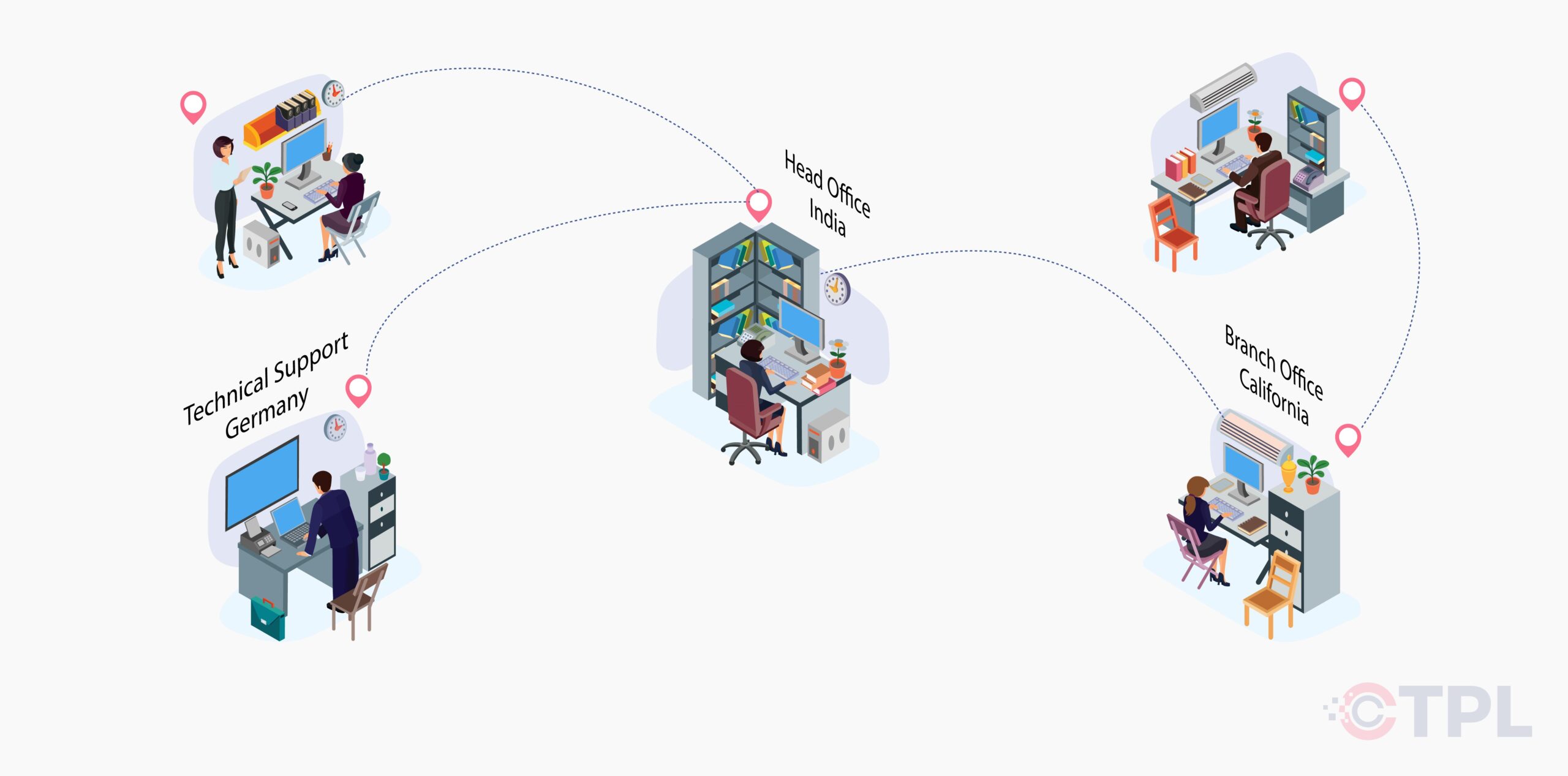
Telecom mobility solutions refer to technologies and services that enable seamless communication and connectivity for users across various mobile devices and networks. These solutions facilitate mobility by allowing users to access voice, data, and multimedia services regardless of their location, using technologies such as mobile networks (3G, 4G, 5G), Wi-Fi, and virtual private networks (VPNs). Telecom mobility solutions are crucial for businesses and individuals who require flexibility and accessibility in their communications, enabling productivity on the go and ensuring connectivity across different devices and locations.

Challenges Without Mobility Solutions

Telecom mobility solutions are essential for modern businesses aiming to optimize operations and enhance productivity. By enabling seamless communication across various mobile devices, these solutions empower employees to stay connected and efficient, whether in the office, on the go, or working remotely. They facilitate flexible work arrangements, improve collaboration among geographically dispersed teams, and streamline customer interactions. Ultimately, telecom mobility solutions help businesses adapt to dynamic market conditions, deliver superior service, and maintain a competitive edge in the digital era.

Limited Accessibility

Employees may not be able to access crucial information or communicate effectively when outside the office.

Reduced Productivity

Lack of mobility can hinder workflow and delay decision-making processes.

Customer Service Impact

Difficulty in providing timely customer support outside office hours or away from desks.

Operational Inefficiencies

Lack of real-time communication and collaboration across teams and locations.

Mobility Solutions: The Solution

Key Features of Mobility Solutions
  • Device Compatibility: Support for various devices (smartphones, tablets, laptops) and operating systems to ensure accessibility and flexibility for employees.
  • BYOD Support: Secure integration of personal devices into the corporate network with robust security measures like encryption and remote wipe capabilities.
  • Remote Access: VPN support for secure access to corporate resources and communication tools from any location.
  • Optimized Networking: Utilization of Software-Defined Networking (SDN) and VPNs to enhance network performance and reliability for mobile workforce needs.
  • Cloud Integration: Adoption of cloud-based communication services to improve scalability, resilience, and accessibility.
  • Security Measures: Implementation of multi-factor authentication, data encryption, and compliance with industry regulations to safeguard sensitive information.
  • Real-time Collaboration: Facilitation of real-time document sharing, team discussions, and project coordination among remote employees.

Benefits of Unified Communication

  • Geolocation-based Services: Utilizes location-based technologies to deliver personalized services and information tailored to the user's location, enhancing user experience and operational efficiency.
  • Field Service Optimization: Mobile access to schedules, customer data, and real-time updates empowers field service technicians to deliver faster, more efficient service, reducing downtime and enhancing customer service levels.
  • Remote Monitoring and Control: Enables remote monitoring and management of equipment, facilities, and processes, leading to proactive maintenance, cost savings, and operational efficiency.
  • Compliance and Risk Management: Helps maintain regulatory compliance by enforcing security policies and controls across mobile devices and networks.
  • Flexibility and Agility: Allows businesses to adapt quickly to changing market conditions and customer demands by empowering employees with mobile access to critical resources.

Conclusion

The adoption of mobility solutions represents a pivotal shift in how businesses operate and communicate in today's dynamic landscape. By empowering employees with the flexibility to work from anywhere, these solutions not only enhance productivity and collaboration but also foster innovation and agility. Moreover, they enable organizations to streamline operations, reduce costs, and improve customer service, ultimately driving growth and maintaining a competitive edge. As businesses continue to embrace mobility, leveraging its transformative power will be crucial in navigating future challenges and seizing opportunities in an increasingly mobile-driven world.

Contact Center

High Quality Products and Services

Matrix optimizes operations with automated workflows and data-driven insights, boosting profitability.

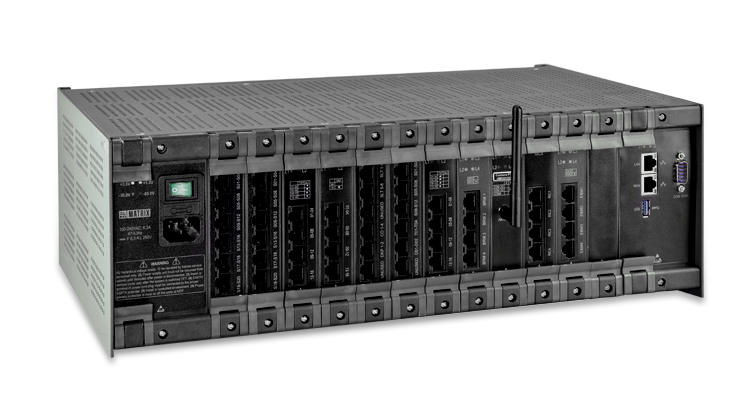
SARVAM UMG

Universal Media Gateway with up to 240 FXS, 192 FXO, 48 GSM/3G/4G Ports, and 250 SIP Trunks.
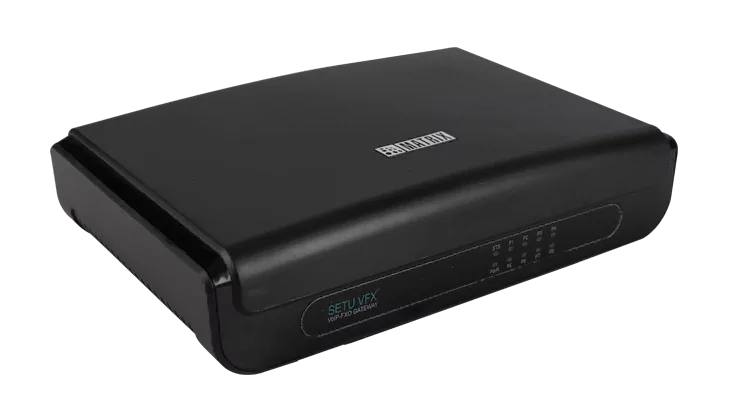
SETU VFX

VoIP FXO FXS Gateway to Bridge Business Networks

SETU VFXTH

VoIP FXO FXS Gateway with Capacity of Call Detail Records of 2000 Calls
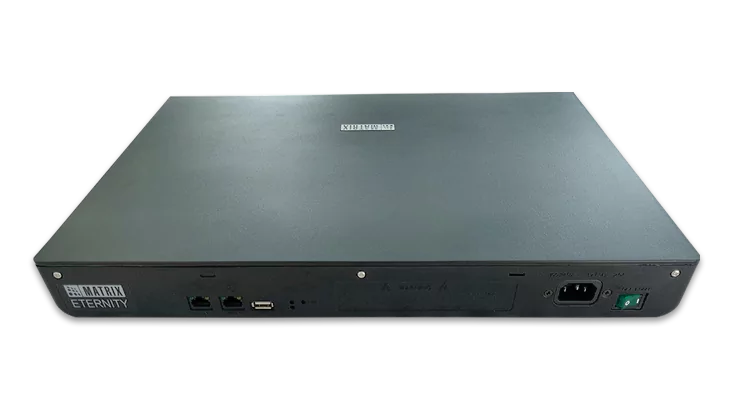
ETERNITY PENX

Hybrid IP PBX for Small Business. Support for Multiple User Extensions and VoIP Users.
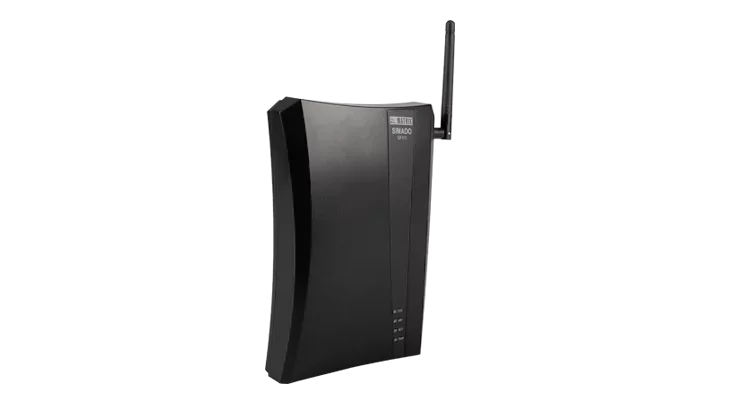
SIMADO GFX11

GSM FCT Gateway enables Seamless Integration of GSM/4G Connectivity with GSM/4G Networks
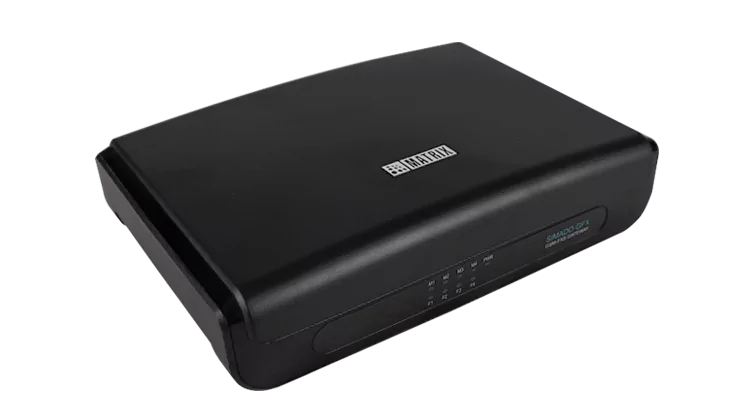
SIMADO GFX44

Multi-port GSM FXS Gateway. GSM FXS Gateway Integrates with Existing PBX or VoIP Systems.