

Introduction
In today’s diverse business environments, security remains a top priority across industries like corporate offices, healthcare facilities, manufacturing units, hotels, and chemical industries. Elevator access control systems play a pivotal role in enhancing security measures within these premises. These systems regulate and monitor access to specific floors within buildings, ensuring only authorized personnel can enter restricted areas. By employing sophisticated features such as user classification, time-based restrictions, and group-based access permissions, these solutions effectively safeguard sensitive locations from unauthorized entry. Elevator access control not only enhances security protocols but also contributes to the overall safety and confidentiality of critical areas within modern buildings.
How It Works
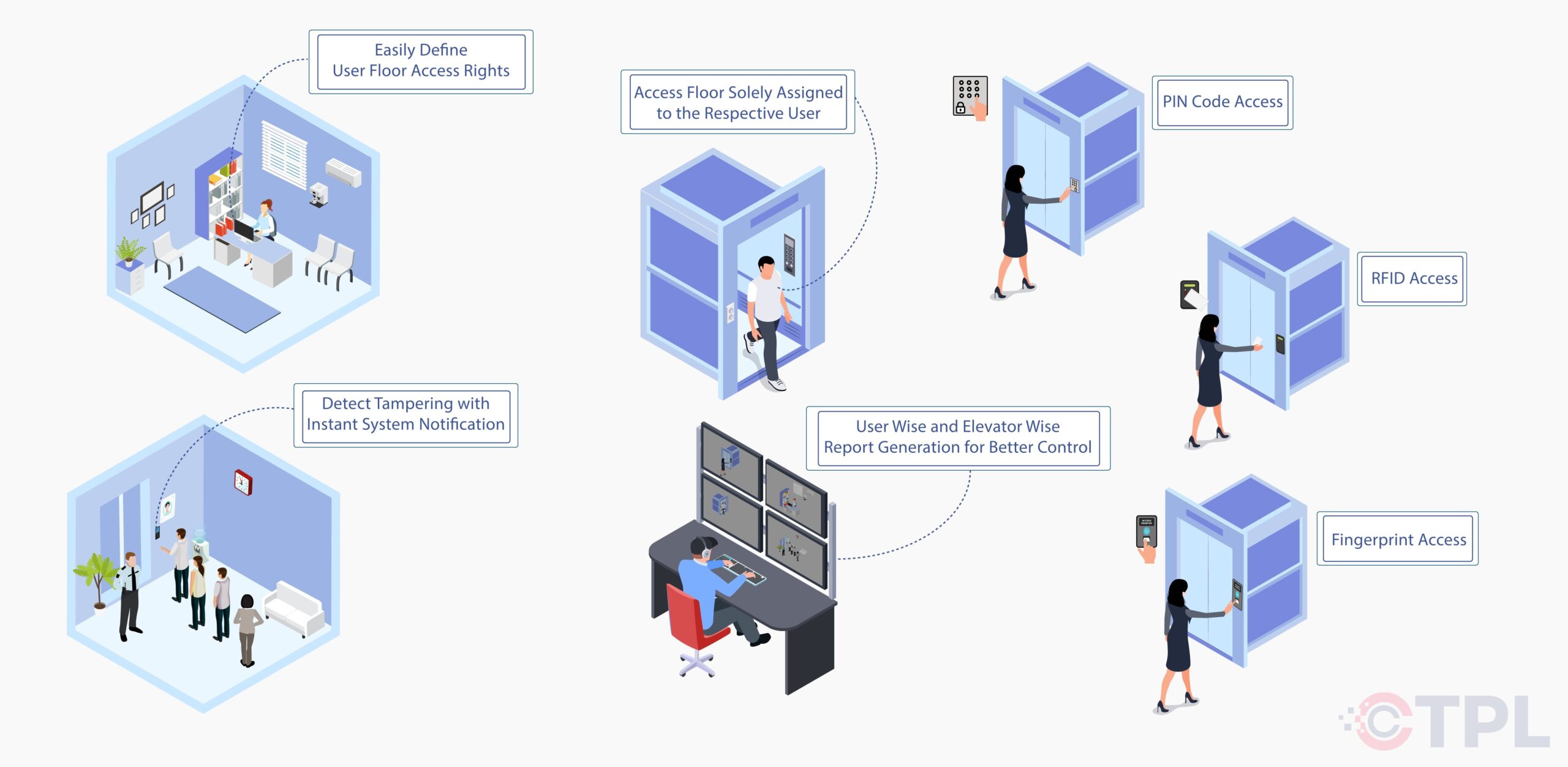
- Authentication: Authorized users approach the elevator and present their credentials, which could be in the form of RFID cards, biometric scans (like fingerprint or iris recognition), or PIN codes.
- Verification: The system verifies the credentials against a centralized database or server to authenticate the user's identity and access permissions.
- Access Granting: Upon successful verification, the system grants access to the elevator and allows the user to select or automatically directs them to the floors they are authorized to access.
- Monitoring and Logging: Throughout the process, the system logs access events in real-time, recording details such as who accessed which floors, at what times, and for how long. This information helps in auditing and ensuring compliance with security policies.
Elevators Without Acess Management
Security Vulnerabilities
Lack of access management means anyone can use the elevator, potentially compromising building security by allowing unauthorized individuals into restricted areas.
Limited Control Over Building Access
Building administrators cannot restrict elevator access to specific floors or times, reducing control over who enters sensitive areas like offices, server rooms, or executive floors.
Privacy Risks
Employees and tenants may feel their privacy is compromised if unauthorized individuals can freely access their floors or designated areas within the building.
Operational Inefficiencies
Without access management, building management cannot optimize elevator usage based on tenant needs or operational schedules, potentially leading to congestion and delays.
Visitors and Resident/Employee Record Maintenance Challenges
Without an access management system, maintaining records of elevator usage becomes cumbersome and unreliable. There's no centralized system to track who accessed which floors and when, making it difficult to audit or investigate incidents of unauthorized access or security breaches.
Access Management for Buildings
Various types of access configurations in Elevator Access Control solutions include floor-based and time-based access control, ensuring only authorized individuals can access specific floors at designated times.
Key Features of Elevator Access Control Solutions
- Floor Restriction: Restricts access to designated floors based on user permissions, enhancing security and privacy.
- Time-Based Access: Allows access to specific floors only during designated time slots, ensuring controlled entry.
- User Authentication: Utilizes authentication methods such as RFID cards, biometric scans, or PIN codes for user identification.
- Centralized Management: Enables centralized monitoring and management of elevator access permissions across multiple floors or buildings.
- Audit Trails: Maintains detailed logs of access attempts, including timestamps and user identities, for accountability and security audits.
- Integration Capabilities: Integrates with other security systems like CCTV and alarms for comprehensive building security.
Advantages of Elevator Access Control Solutions
- Restricted Access: Limit access to specific floors based on user permissions, preventing unauthorized individuals from entering sensitive areas.
- Reduced Risk of Theft and Vandalism: By controlling access to specific floors, you can deter theft of equipment, documents, or other valuable assets.
- Group-Based Access Control: Classifies users into groups (e.g., employees, visitors, contractors) with predefined access rights to different floors. This simplifies management by applying access rules uniformly across groups.
- Improved Emergency Response: Elevator access control systems can integrate with emergency protocols, restricting access to certain floors during fire alarms or other emergencies.
- Reduced Wait Times: Streamline elevator usage by preventing unauthorized calls and floor requests, minimizing wait times for authorized users.
Conclusion
levator access control solutions offer a compelling combination of enhanced security, improved efficiency, and valuable data insights. By implementing these innovative systems, you can create a more secure and manageable environment for your building, employees, and visitors. As technology continues to evolve, elevator access control solutions will undoubtedly play an increasingly important role in shaping the future of secure and efficient building access.
From the Services
High Quality Products and Services
There are many variations of passages of ipsum available, but the majority have suffered alteration in form
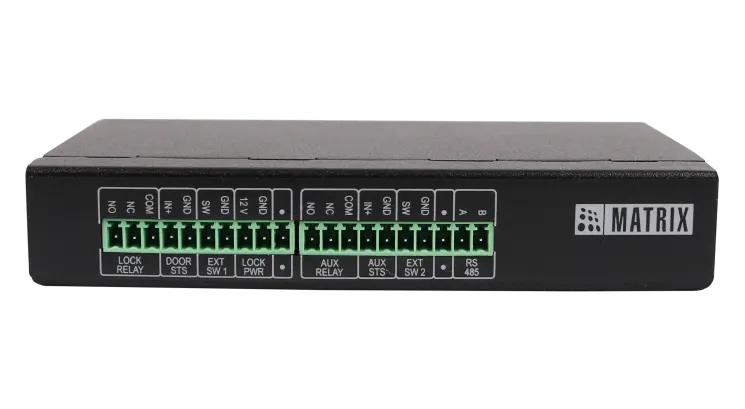
COSEC ARC DC200P
Two-Door Access Controller Innovated for New Age Organizations
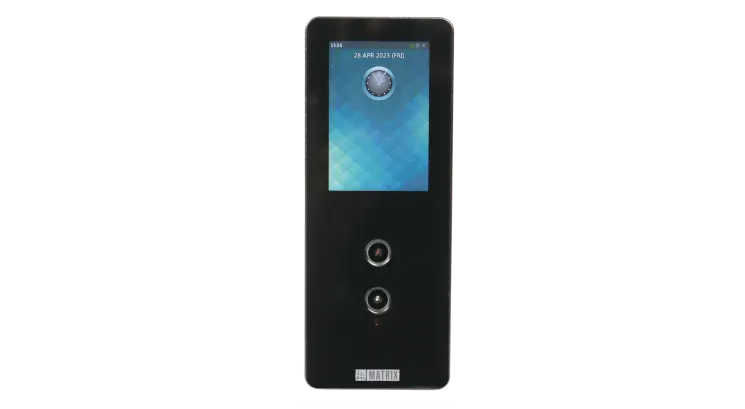
COSEC ARGO FACE
Face and RFID Card Based Access Control and Time-Attendance Door Controller
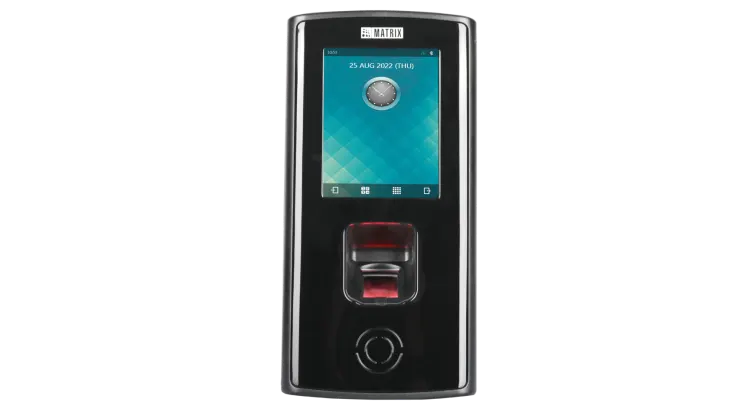
COSEC VEGA Series
Finger and RFID Card Based Biometric Door Controller
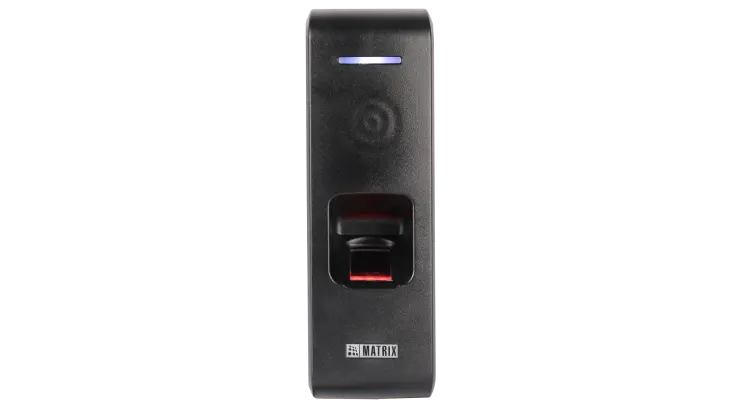
COSEC PATH Series
Fingerprint-Based Access Control and Time-Attendance Door Controller
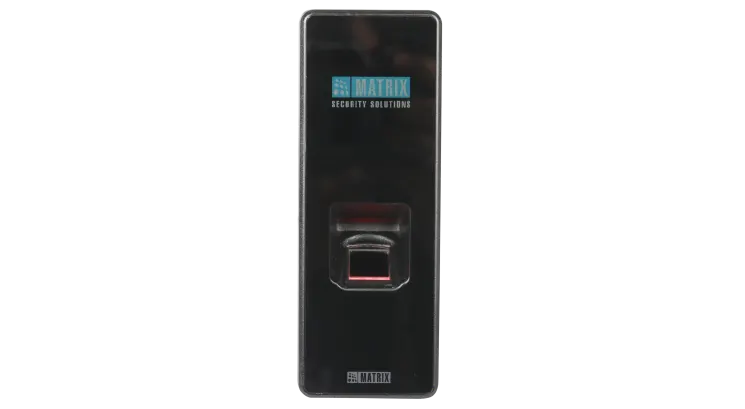
COSEC ATOM Series
Next Generation Readers Engineered for Simplifying Access Control
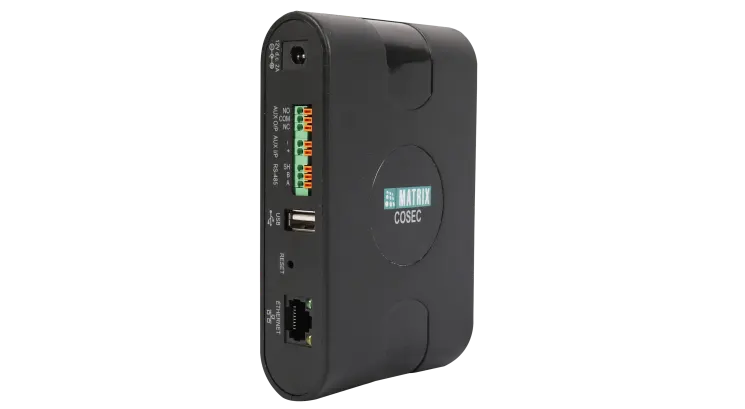
COSEC PANEL200P
Compact Access Controller Hub Pioneered for Advanced Security
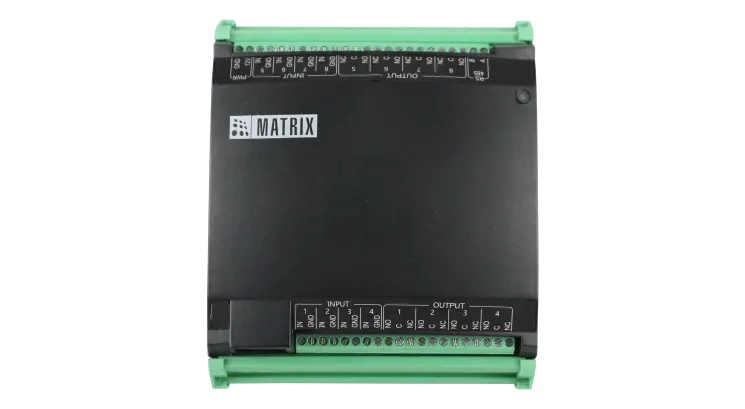
COSEC ARC IO800
Compact Input-Output Controller Devised for Superior Control
