

Unified Communication

Introduction

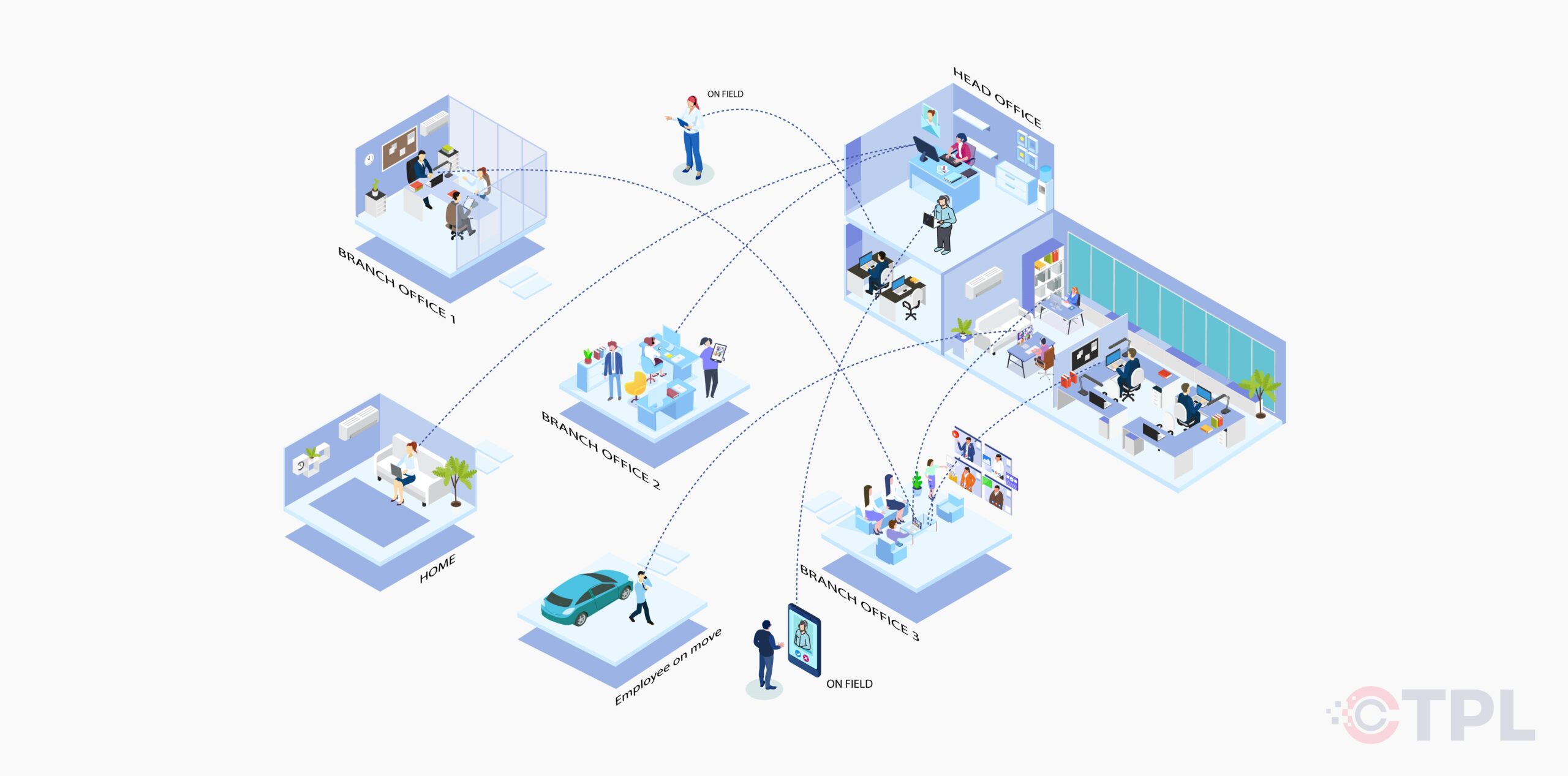
In today’s rapidly evolving enterprise environment, the need for smarter and more efficient communication solutions is paramount. As businesses face increasing competition and adopt more flexible workplace practices, the demand for collaborative communication tools that cater to both in-office and mobile employees has surged. This shift has led to the emergence and growth of Unified Communication (UC) solutions, which integrate various communication modalities into a single, cohesive platform.

The Changing Landscape of Business Communication

The modern business landscape is characterized by its dynamic nature, with employees often working from different locations and time zones. Traditional communication methods are no longer sufficient to meet the needs of such a diverse and mobile workforce. The following factors underscore the necessity for advanced communication solutions:

Increasing Competition

Increasing Competition: In a competitive market, businesses must be agile and responsive. Effective communication can significantly enhance productivity and decision-making processes.

Flexible Workplaces

With the rise of remote work, employees need reliable and versatile communication tools that allow them to collaborate seamlessly, regardless of their physical location.

Varied Employee Roles

Different roles within an organization have distinct communication requirements. Sales teams, customer support, and management may all use different channels and devices.

Unified Communication: The Solution

Unified Communication (UC) solutions address these challenges by integrating multiple communication methods, such as voice, video, messaging, and collaboration tools, into a single platform. This integration facilitates smoother and more efficient interactions among employees, whether they are in the office or on the move.

Key Features of UC Solutions

  • Collaboration Tools: UC solutions provide a range of collaboration tools, including instant messaging, video conferencing, and file sharing. These tools enable teams to work together in real-time, regardless of their geographical location.
  • Mobility: Mobile integration ensures that employees can access communication tools on their smartphones and tablets. This is crucial for remote workers and those who frequently travel.
  • Presence Information: UC systems often include presence information, which shows the availability status of employees. This helps in determining the best way to reach colleagues at any given time.
  • Integrated Platforms: By consolidating various communication channels into a unified platform, UC solutions reduce the complexity of managing multiple systems and enhance overall efficiency.
  • Scalability and Flexibility: UC solutions are scalable and can be customized to fit the specific needs of any organization, from small businesses to large enterprises.

Benefits of Unified Communication

  • Enhanced Collaboration: By bringing all communication tools into one platform, UC solutions foster better collaboration and teamwork. Employees can quickly switch between different communication methods as needed.
  • Increased Productivity: With easier access to communication tools, employees can perform their tasks more efficiently, leading to increased productivity and faster decision-making.
  • Cost Savings: UC solutions can reduce costs associated with travel, infrastructure, and maintenance by providing virtual meeting tools and cloud-based services.
  • Improved Flexibility: Employees can work from anywhere, using any device, without compromising on communication quality. This flexibility can improve job satisfaction and retention.
  • Streamlined Communication: With a unified system, businesses can avoid the pitfalls of fragmented communication channels, ensuring that all employees are on the same page.

Conclusion

In today’s competitive and flexible business environment, the adoption of Unified Communication solutions is not just beneficial but essential. These solutions enable businesses to enhance collaboration, improve productivity, and support a mobile workforce effectively. As organizations continue to evolve, the role of UC solutions will only become more critical in ensuring seamless and efficient communication across all levels of the enterprise.
Unified Communication

High Quality Products and Services

Unified Communication (UC) streamlines communication by integrating various tools like voice, video, messaging, and collaboration into a single platform.

SARVAM UCS

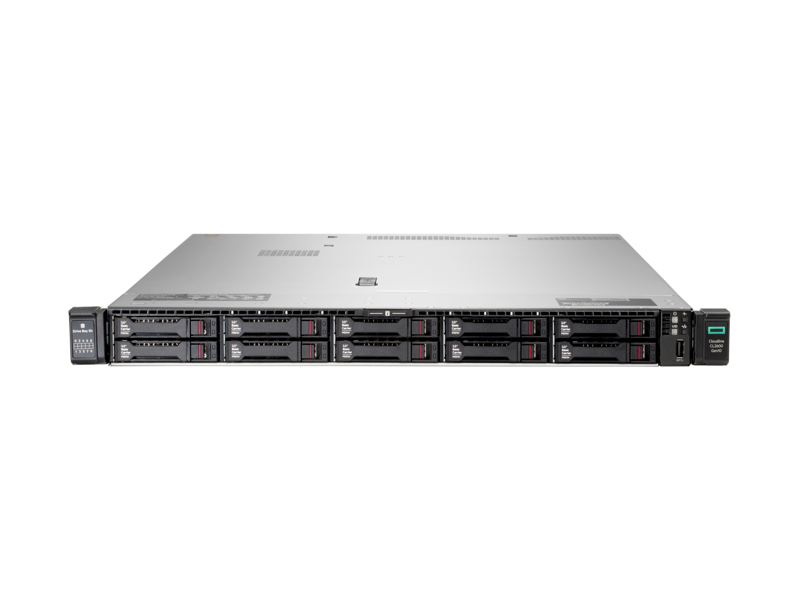
Unified Communication Server for Modern Enterprises
ANANT

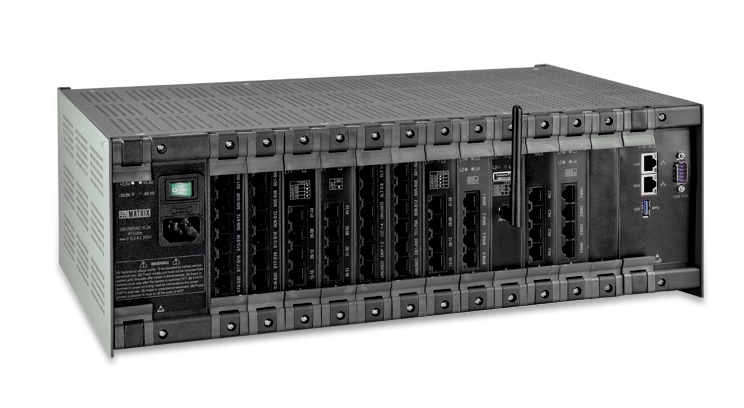
PBX Server for Unified Communication. Capacity to Handle a Large Number of Users.
PRASAR UCS - SPARK200

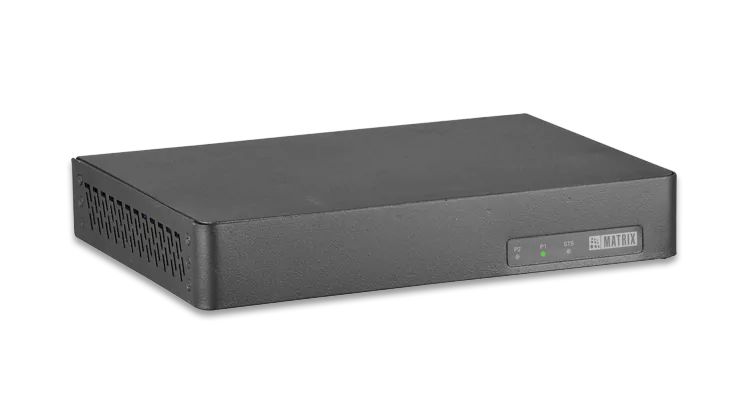
Embedded IP PBX Server for Modern Business.Efficient Call Routing and Management for Users and Trunks.
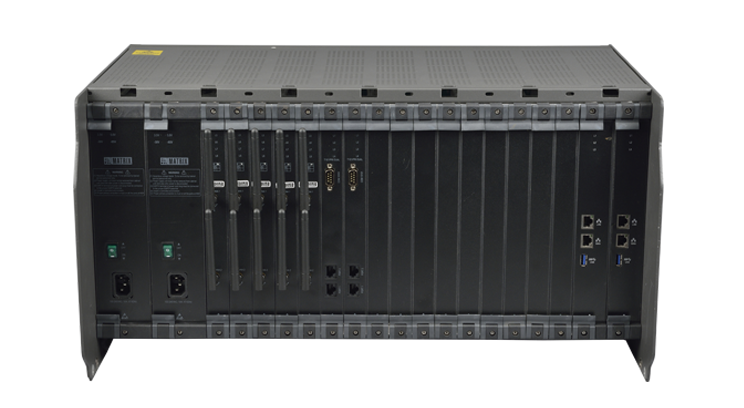
ETERNITY MENX-LENX

The Next-generation IP PBX System for Unified Communication

ETERNITY PENX

Hybrid IP PBX for Small Business. Support for Multiple User Extensions and VoIP Users.
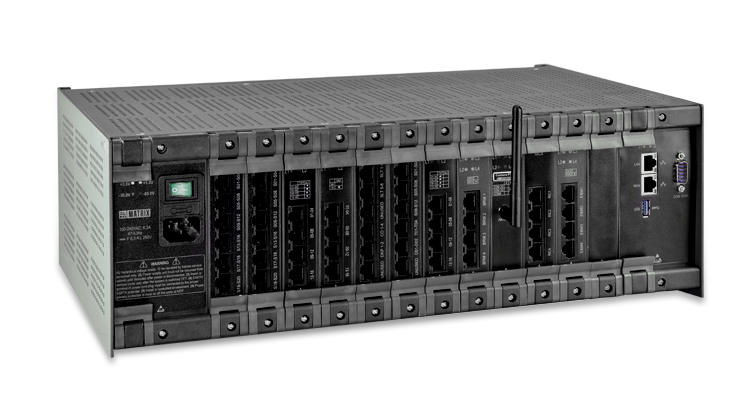
ETERNITY GENX

The Next-generation IP PBX System for Unified Communication